The discussion centers on アパレル 3PL (Third-Party Logistics) solutions, a service that provides logistics and supply chain management specifically tailored to the apparel industry. An exploration of how these logistics services streamline operations by handling transportation, warehousing, and distribution in a competitive global market.
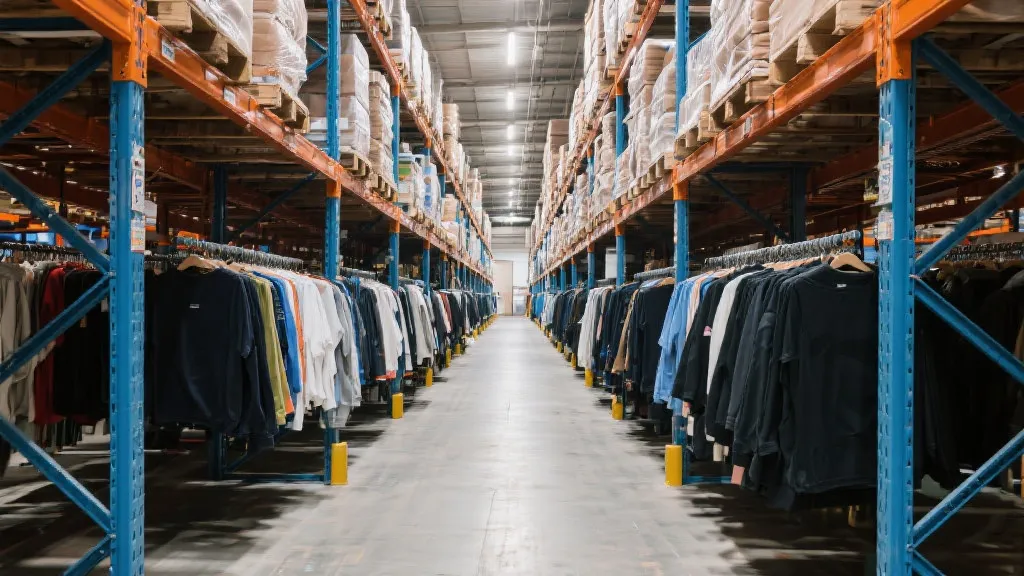
The apparel industry has long been a pillar of global economic activity, known for its dynamic nature and ever-evolving consumer demand. In this diverse landscape, efficiency and cost-effectiveness are crucial, and this has given rise to specialized logistics solutions such as アパレル 3PL, or Third-Party Logistics dedicated to apparel. Companies increasingly lean on アパレル 3PL providers to enhance operational efficiency by outsourcing transportation, warehousing, and distribution services. This strategic decision allows businesses, ranging from established fashion houses to emerging brands, to stay relevant and competitive.
The benefits of utilizing アパレル 3PL services are multifaceted. These providers often offer a comprehensive suite of supply chain solutions that include end-to-end logistics support. Key services typically involve:
By outsourcing logistics to specialized providers, apparel companies can focus on core activities like design, production, and marketing. Notably, アパレル 3PL partners bring several tangible benefits:
While the advantages of アパレル 3PL are evident, companies must also be aware of potential challenges, such as:
Consider a hypothetical medium-sized fashion brand that outsources its logistics operations to an アパレル 3PL provider. The results include:
As the apparel industry evolves, several trends are shaping the landscape of アパレル 3PL services, highlighting the importance of adaptability in logistic strategies:
Looking ahead, the future of アパレル 3PL services appears to be bright, with opportunities for innovation and growth:
| Question | Answer |
|---|---|
| What is アパレル 3PL? | It's a specialized third-party logistics service for the apparel industry, covering functions like transportation, warehousing, and distribution. |
| How does アパレル 3PL benefit apparel companies? | It offers cost reduction, scalable logistics solutions, and access to advanced technology, helping companies focus on their core competencies. |
| What are potential challenges with アパレル 3PL? | Challenges include dependence on third-party providers and maintaining consistent quality control standards. |
| Can アパレル 3PL help with international shipping? | Yes, most アパレル 3PL providers manage both domestic and international transport efficiently, navigating customs and regulatory requirements. |
| What innovations are expected in アパレル 3PL services? | Future innovations may include increased automation, advanced data analytics capabilities, and enhanced customer-centric solutions in logistics and fulfillment. |
| How can companies ensure effective collaboration with their 3PL providers? | Maintaining open communication, establishing clear performance metrics, and conducting regular reviews can help strengthen the partnership and ensure alignment. |
With a keen understanding of the evolving dynamics of the apparel industry, integrating アパレル 3PL solutions can undoubtedly propel businesses towards greater efficiency and higher profit margins. As this sector continues to grow and innovate, the demand for specialized logistics services is likely to increase, making it imperative for companies to partner with trusted 3PL providers. As firms navigate a continuously changing landscape, their ability to embrace flexibility, sustainability, and technological advancements will determine their long-term success in the competitive world of apparel.




The CSP renewal process is integral to maintaining operational efficiency in concentrated solar power facilities. This comprehensive guide examines the critical steps and considerations involved in CSP renewal, offering insights from industry experts. The importance of adhering to environmental standards, maximizing energy output, and evaluating cost-effective refurbishment strategies are key components of this process.

CSP Renewal stands as a crucial aspect for businesses relying on cloud solutions. The process involves renewing the relationship between cloud service providers and clients to ensure uninterrupted service. It requires understanding contractual obligations, evaluating current and future needs, and preparing for any transitions. This guide comprehensively examines the elements involved, emphasizes strategic planning, and highlights top practices for a seamless renewal process.

"Delfim Boys" é uma expressão cada vez mais discutida no contexto cultural e social contemporâneo. Este artigo explora o significado por trás deste termo, sua origem, e seu impacto na sociedade local. Além disso, oferece uma análise detalhada da sua presença nas estruturas sociais e culturais, sincronizando dados e interpretações com as evidências disponíveis.

Os Delfim Boys representam uma nova era na música, englobando um estilo vibrante e inovador que está conquistando fãs ao redor do mundo. Este artigo explora a origem, o impacto cultural e as características únicas desse grupo musical, apresentando uma análise detalhada da sua contribuição para a indústria cultural contemporânea.

La experiencia de Absoluta Santana ofrece una profunda inmersión en la riqueza cultural y paisajística de Santana. Este artículo explora las distintas facetas de esta destinación, desde su patrimonio cultural hasta sus impresionantes panoramas naturales, destacando cómo Absoluta Santana se ha convertido en una referencia significativa para los visitantes y residentes por igual.

Absoluta Santana es una joya en el ámbito cultural y turístico, conocida por su impresionante belleza y rica historia. Situada en un entorno natural impresionante, es un destino que combina naturaleza, cultura y tradición. En este artículo, exploraremos las características que hacen de Absoluta Santana un lugar imperdible para los visitantes, integrando tanto sus tesoros naturales como su vibrante escena cultural.